


Attentiveness to the Creator and Creation, Part 1
Scripture — Psalm 104: 14-18 (NRSV)
You cause the grass to grow for the cattle
and plants for people to cultivate,
to bring forth food from the earth
and wine to gladden the human heart,
oil to make the face shine
and bread to strengthen the human heart.
The trees of the field are watered abundantly,
the cedars of Lebanon that he planted.
In them the birds build their nests;
the stork has its home in the fir trees.
The high mountains are for the wild goats;
the rocks are a refuge for the coneys.
Focus
To honor God, we should not view what he has created merely as a resource to be consumed for our own desires, but instead we should carefully seek to understand God’s purposes for all of creation and then consider what actions of ours would lead to the flourishing of creation in God’s intended plan.
Devotion
My wife Deborah enjoys preparing good food. She not only has a great eye for identifying and preparing recipes we’ll enjoy; she is also creative at repurposing leftovers into new meals. Although she is busy most weekdays with a variety of ministry-related work, now and then when I get home from my own job I find some delicious-looking treat on the counter.
Now it might be that the treat is there for me to enjoy. Or it might be that her creation is intended for us to enjoy together later that night. Or perhaps it’s something she made for a friend or for a special event. Before I even consider consuming her creation for myself, I should first discover her purpose. In our earlier married days before the invention of cell phones, I might have found a written note: “Help yourself to a cookie. Save some for lunch tomorrow.” In which case I could immediately enjoy that lovely snack sitting on the counter. In our current 21st-century lives, she is more likely to send a text: “Pie for dinner tonight. Bring home ice cream.” She also might just tell me in person in the morning what she plans. (In July when our garden is overflowing with ripe berries, she might suggest that I bake a cobbler for dessert – which is one of my few specialties – and she will bring home ice cream.)
After more than 35 years of marriage, I have grown in my understanding of Deborah’s thoughts and plans. A whole fresh pie sitting on the counter is almost certainly not meant for me to cut into alone, presumptuously consuming her creation for myself. However, a single leftover piece might well have been left for me. The important thing is for me to pay attention to her purposes. In the absence of prior communication, I should find her and ask. This is a way for me to honor Deborah by honoring her creative labors. To dishonor her work would harm our relationship.
I think something similar is true of our relationship with God. The creation account in Genesis 1-2 paints a picture of God’s creative labors, making a beautiful world and filling it with creatures he repeatedly proclaims as good. It tells us that God intended the world to flourish: for creatures to be fruitful and fill the seas (1:22). Genesis 2:15 continues the story, telling us, “The Lord God took the man and put him in the garden of Eden to till it and keep it.” The Hebrew word rendered in many English translations as “keep it” or “take care of it” is the same used in Numbers 6:24 describing the blessing Aaron is to bestow on the people of Israel: “The Lord bless you and keep you.” In other words, the way Adam and Eve – and through them, their offspring – were intended to care for creation was to bring about its blessing and flourishing much as the people of Israel would desire God to bring about their flourishing.
Passages such as Psalm 24:1, Jesus’ teaching repeated in both Matthew 10:29 and Luke 12:6, and especially Psalm 104 remind us that God still cares for all of his creation and intends for its continued flourishing – independent of any usefulness to humankind. Today’s passage, Psalm 104:14-18, reflects on God’s purposes for grass, trees (including cedar and fir) and the wild mountains. God intended food and habitation for wild creatures so they could flourish.
As I make my daily way through God’s created world, then, I am in a situation not unlike walking around our kitchen. If I want to honor God, I should not view what God created merely as a resource to be consumed by me for my own desires – not until I have sought carefully to understand God’s purposes. Rather, I should consider what God’s purposes are for all aspects of his creation and then consider what actions of mine would lead to the flourishing of creation in God’s intended plan.
Reflect
Consider Psalm 104. You can focus on verses 14-18 or read the entire Psalm. What does it suggest about God’s purposes or plans for various aspects of his creation? What in the passages paints a picture of flourishing?
How do your own actions help bring about the flourishing of creation?
Act
You may live in the city, the suburbs, or a rural area, in a dry or wet area, near forests or plains. Wherever that is, consider some actions you can take this week that would help creation to flourish according to God’s plans. Then act accordingly.
Pray
Lord, you have made grain and fruit and vegetables to grow. All that I have eaten today, and all that I ate yesterday, and all that I will eat tomorrow grew in the soil you have made nourished by your rain and sunshine. You have also made trees, grass, seeds, and berries as food for your creatures. We delight in both your creative goodness and in your abundant provision for all of creation. Lead us to a deeper understanding of the world you have created, and to lives that honor you in how we care for that creation. Amen.
Find all Life for Leaders devotions here. Explore what the Bible has to say about work at the unique website of our partners, the Theology of Work Project. Reflection on today’s Life for Leaders theme can be found here: Human Creativity With God (Psalm 104) .
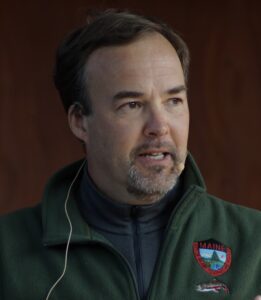
Matthew Dickerson
Author
Matthew Dickerson’s books include works of spiritual theology and Christian apologetics as well as historical fiction, fantasy literature, explorations of the writings of C.S. Lewis and J.R.R. Tolkien, and books about trout fishing, fly fishing, rivers, and ecology. His recent book,