


Unexpected Flourishing
Scripture — Psalm 92:12-15 (NIV)
The righteous will flourish like a palm tree,
they will grow like a cedar of Lebanon;
planted in the house of the LORD,
they will flourish in the courts of our God.
They will still bear fruit in old age,
they will stay fresh and green,
proclaiming, “The LORD is upright;
he is my Rock, and there is no wickedness in him.”
Focus
Psalm 92 features a precious promise. If we are righteous, that is, if we are in a right relationship with God and God’s creation, then we will flourish. In fact, we will bear God-glorifying fruit in all thirds of life: the first third, the second third, and the third third. If, as we examine our lives, we’re not seeing much fruit growing on our “tree,” then it’s time to ask the Lord, “How would you like me to flourish in this season of life?”
This devotion is part of the series: Biblical Wisdom for Flourishing
Devotion
In 2021, the World Health Organization published the Global Report on Ageism. According to this report, “Ageism refers to the stereotypes (how we think), prejudice (how we feel) and discrimination (how we act) directed towards people on the basis of their age. It can be institutional, interpersonal or self-directed” (xv). The report adds, “Ageism pervades many institutions and sectors of society, including those providing health and social care, the workplace, the media and the legal system” (xvi). As a result, “Ageism has serious and far-reaching consequences for people’s health, well-being and human rights. For older people, ageism is associated with a shorter lifespan, poorer physical and mental health, slower recovery from disability and cognitive decline. Ageism reduces older people’s quality of life, increases their social isolation and loneliness” (xvi). Though ageism can be directed at those who are younger and those who are older, “globally, one in two people are ageist against older people” (xvi). This means there are 4.1 billion people in the world who are biased against older people. Yikes!
The findings of the Global Report are consistent with the experience of older adults in the United States:
- An AARP survey found that nearly 2 out of 3 workers age 45 and older have seen or experienced age discrimination on the job.
- A study in the Journal of the American Medical Association found that 93.4% of older adults experienced some form of ageism.
- An investigation of word usage in American and British media found that “Negative descriptions of older adults outnumber positive ones by six times.”
Thus, the title of an article published by the American Psychological Association begins, “Ageism is one of the last socially acceptable prejudices.”
One of the ways ageism manifests itself in our society (and in our own hearts!) is in the assumptions we make about age and flourishing. It’s common for people to believe that our fruitful years come mainly in midlife, when we are raising children and thriving in our careers. As we get older, or so we might assume, we are past our prime flourishing years.
Of course, our fruitfulness will be different in different seasons of life. But is it right to assume that flourishing really isn’t for older people?
Not according to the Bible. Scripture portrays several older adults who are clearly flourishing in their latter years, including Abraham and Sarah, Moses and Aaron, and Elizabeth and Zechariah. Consistent with these portrayals, Psalm 92 bears witness to the possibility of flourishing as we get older:
The righteous will flourish like a palm tree,
they will grow like a cedar of Lebanon;
planted in the house of the LORD,
they will flourish in the courts of our God.
They will still bear fruit in old age,
they will stay fresh and green (92:12-14, emphasis added).
Verse 14 boldly states that those who are righteous will indeed “bear fruit in old age.” This translation accurately renders the sense of the Hebrew, though, for personal reasons, I prefer a more literal translation. The first part of verse 14 actually says, “They will still bear fruit with gray hair.” If you know what I look like, you can understand why I’m fond of this more literal rendering! Psalm 92 does not say, by the way, that the fruit we bear with gray hair will be the same as that which we produced with more colorful hair. But the promise of flourishing as we get older is strong in Psalm 92.
When the psalm says that older people “will stay fresh and green,” this is not meant to describe our physical condition as we age. This is not some ancient “anti-aging” formula. Rather, in line with the tree symbolism of this passage, “fresh and green” suggests a deeper, truer, and resilient vitality. Scripture elsewhere acknowledges the physical losses and limitations that come with old age (see Eccles 12:1-8). But we can be “fresh and green” in the sense that we continue to bear fruit even when our hair turns gray (or when we lose it, for that matter).
I entitled this devotion “Unexpected Flourishing” because Psalm 92’s vision of fruitfulness “in old age” is indeed unexpected for those of us who live in an ageist culture. This includes both young and old, by the way. Ageism is often internalized by those of us who are older. We accept what the culture assumes to be true about us. We stop imagining how we might live fulfilling and fruitful lives. We accept the conclusion that we have less to contribute to others when we are old, even when it just may be that we could be entering a season of maximum fruitfulness.
Psalm 92 features a precious promise. If we are righteous, that is, if we are in a right relationship with God and God’s creation, then we will flourish. In fact, we will bear God-glorifying fruit in all thirds of life: the first third, the second third, and the third third. If, as we examine our lives, we’re not seeing much fruit growing on our “tree,” then it’s time to ask the Lord, “How would you like me to flourish in this season of life?”
Reflect
When have you witnessed or personally experienced ageism against older people? What did you think about this? What did you feel?
Do you know older people who are truly flourishing, who are bearing fruit that matters? If so, what is motivating them to live fruitfully?
When you think about your own life, do you envision flourishing as you get older? If so, why? If not, why not?
Act
Pay attention to the people in your life. See if you can observe folks who are flourishing “in old age.” If so, what can you learn from them?
Pray
Gracious God, thank you for the promise of Psalm 92. Thank you that I can flourish if I am in a right relationship with you. Thank you that there is no expiration date on this kind of flourishing.
No matter my age, may I be open and available to you, Lord. Show me where you want me to make a difference in this world. Help me to clarify my purpose and live it, for your glory. Amen.
Find all Life for Leaders devotions here. Explore what the Bible has to say about work at the unique website of our partners, the Theology of Work Project. Reflection on today’s Life for Leaders theme can be found here: A Poem on Youth and Old Age (Eccl 11:7-12:8).
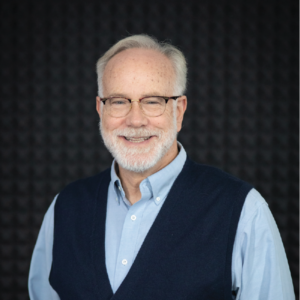
Mark D. Roberts
Senior Fellow
Dr. Mark D. Roberts is a Senior Fellow for Fuller’s Max De Pree Center for Leadership, where he focuses on the spiritual development and thriving of leaders. He is the principal writer of the daily devotional, Life for Leaders, and t...